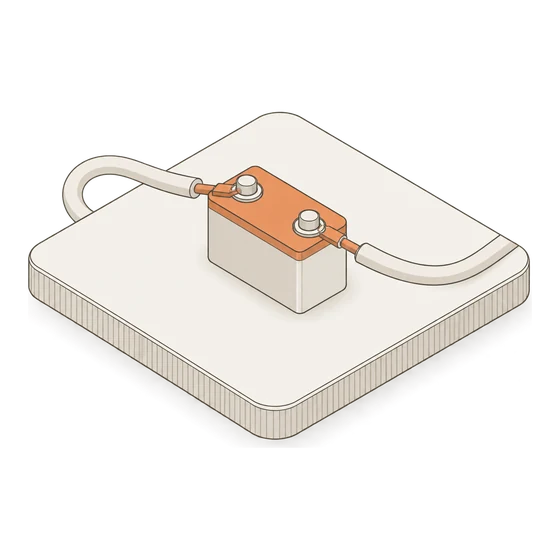
Existing connection
Grow past the connection limit.
100%peak load vs connection
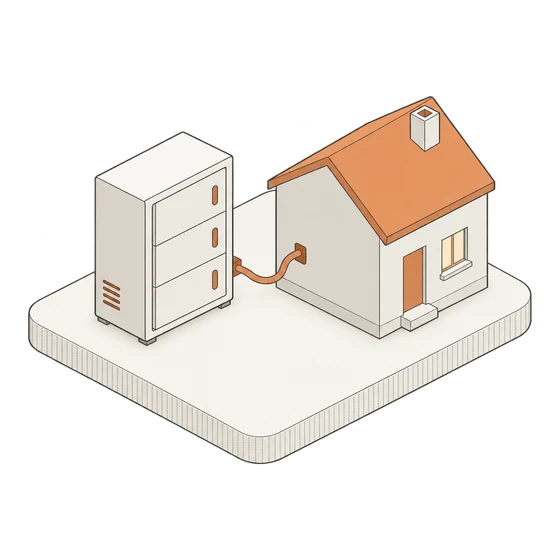
The battery serves the peaks and recharges in between. No bigger connection needed.
GridBattery
We use necessary cookies to make the site work. With your permission, we also use analytics cookies to see how the site is used, and company identification to learn which organisations visit. See our Privacy Policy.
We turn constrained grid connections into firm, bankable power for data centres, charging hubs and power-constrained industries. In months, by raising utilisation of existing networks.
“… We are now a power-limited industry.”
“The physical grid cannot keep pace with societal ambitions and developments …”
“Securing access to high-power electricity is critical for our planned transition.”
“Power is the single most fundamental constraint that we face.”
Electricity is holding back growth across the global economy
“The biggest issue we are now having is not a compute glut, but it’s power …”
UK data center turns to gas as Burnham moves to fix grid delays
“… major delays impacting billions of pounds of potential infrastructure projects …”
“We would probably build out bigger clusters … if we could get the energy to do it.”
The ‘substantial bottleneck’ slowing the growth of the UK’s EV charging network
“Everything is going electric and electricity infrastructure needs to grow massively everywhere.”
“… the next shortage will be electricity.”
We size a battery to the few hours the network can’t serve.
The battery serves the peaks and recharges in between. No bigger connection needed.
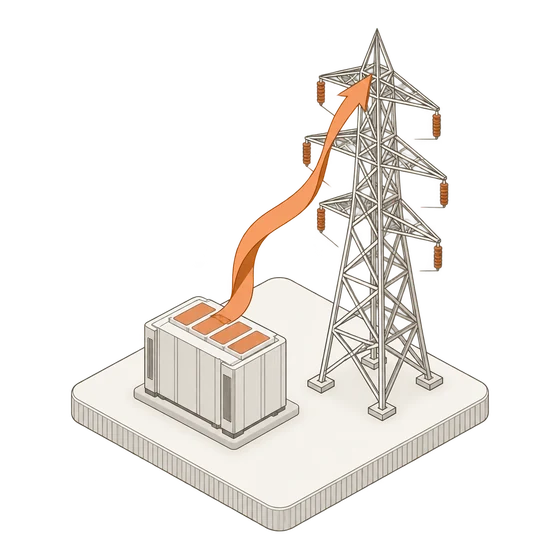
Covering the network’s short dips lifts firm capacity from 30% to 78%.
Critical industries of the future run on electricity and are bottlenecked by power access.
AI and cloud sites, where months to power are worth the most.
Fleet depots that need megawatts on a fixed date.
Factories and logistics hubs electrifying heat, process and fleets on the connection they already have.
Sized, operated and underwritten together, so the site sees one firm connection.
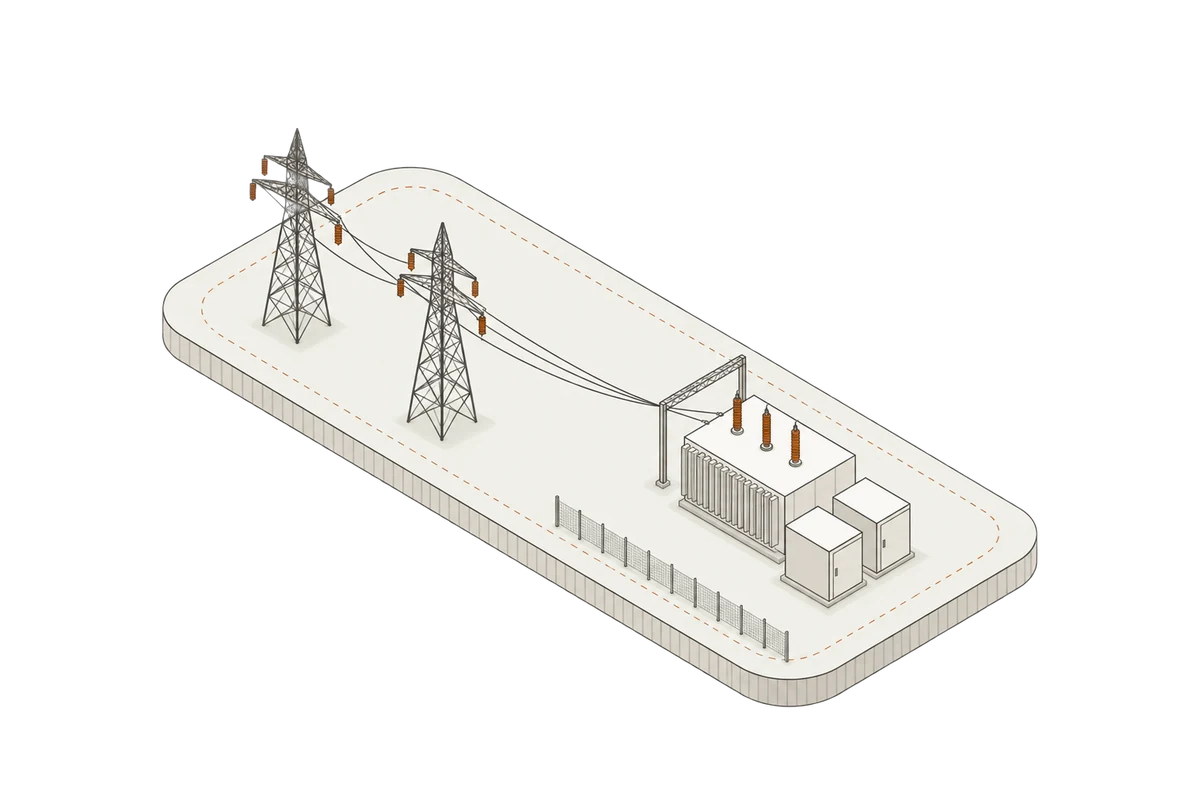
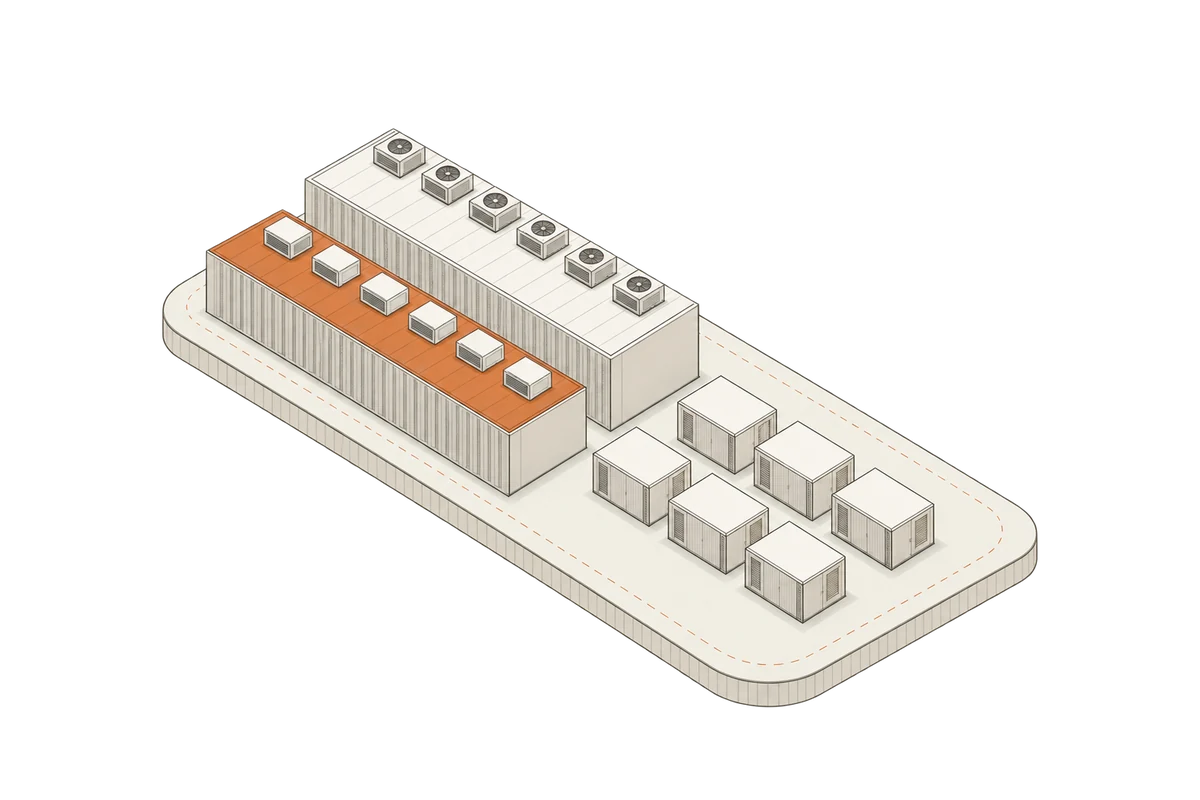
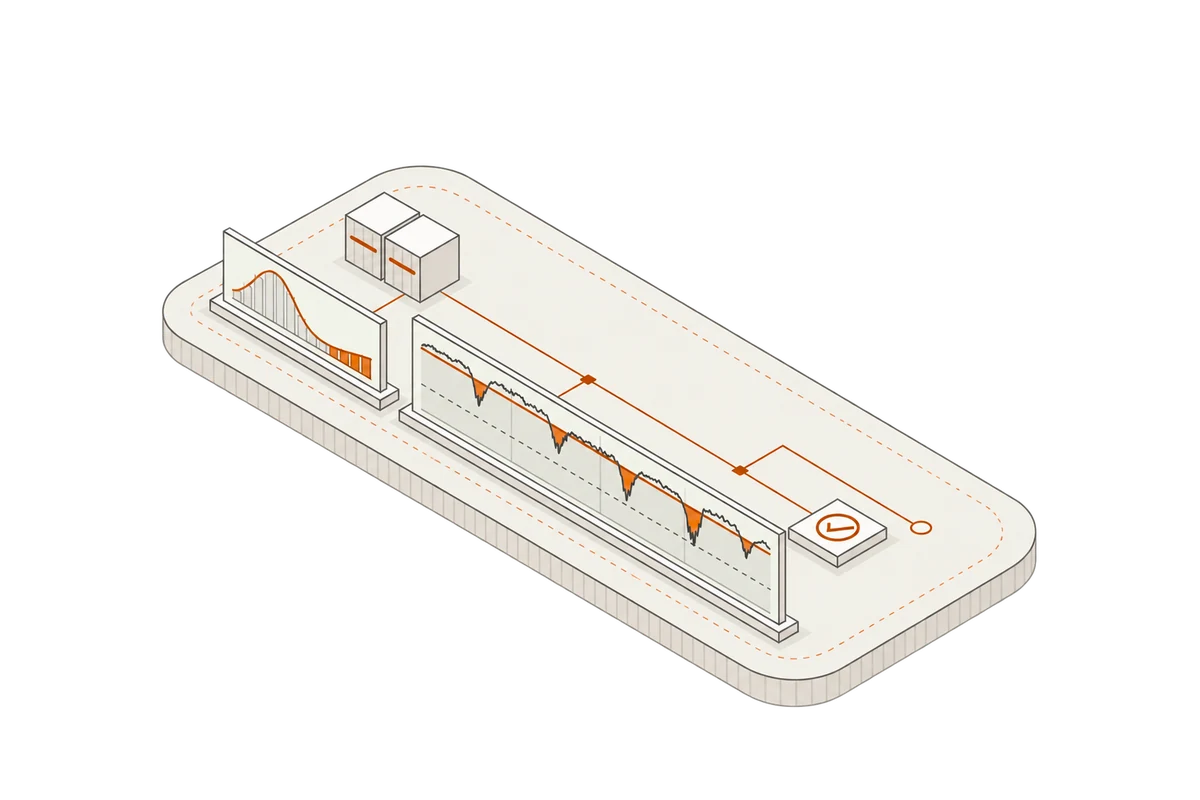
We start from the connection: an existing one, or a flexible offer. We model its constraints and translate them into probability distributions of the hours it can’t serve.
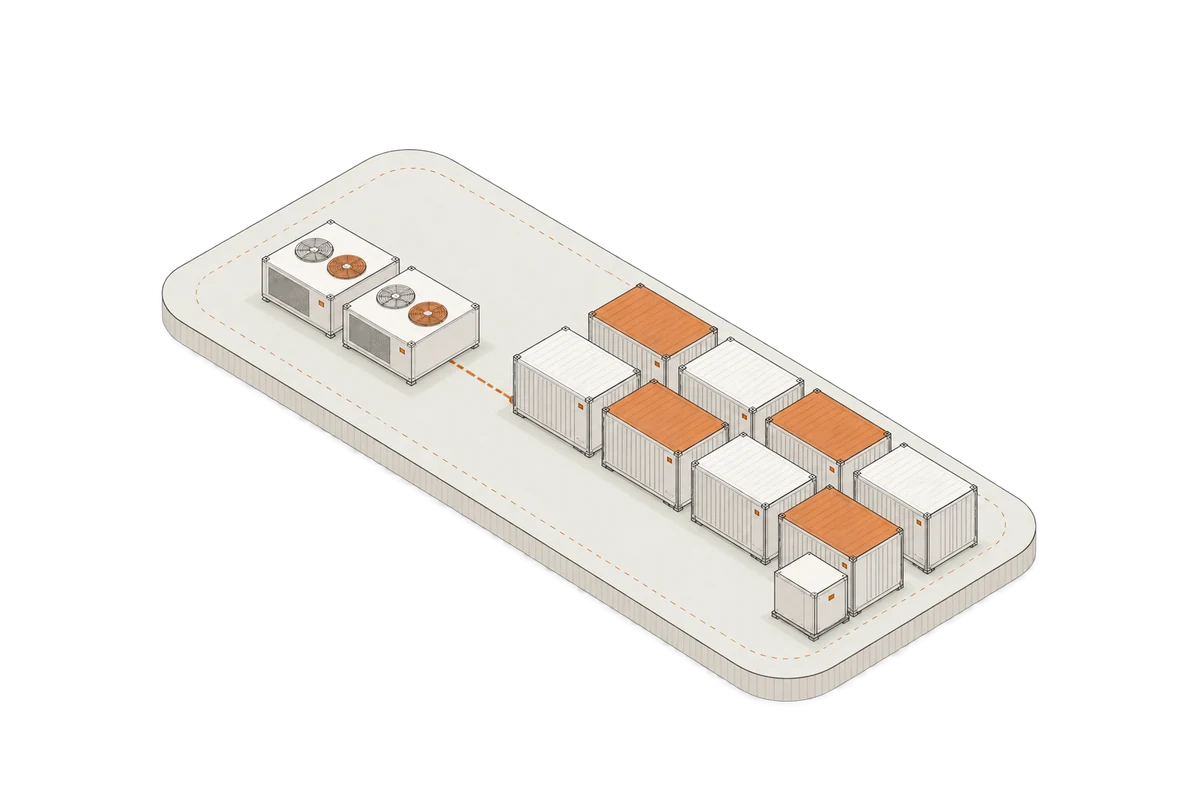
Then the load: how many megawatts, what shape, and by when. A data centre, charging hub or factory that should run unchanged.
Sized to close the gap between the two, not to the whole load. Shifting flexible demand makes it smaller.
Forecasts the network, runs the battery and prices the risk. What we underwrite is what we run.
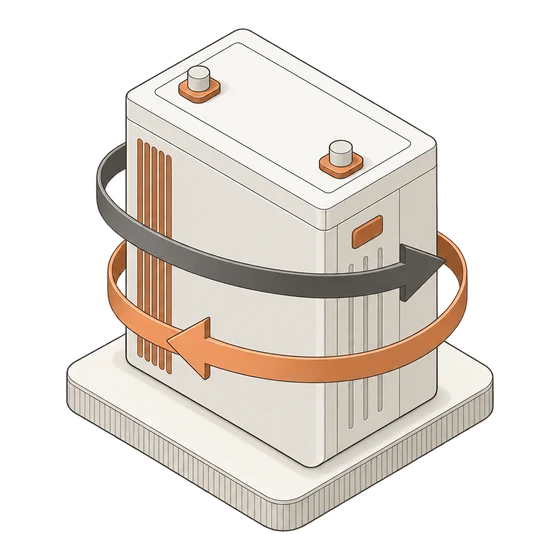
One battery at the point of connection, doing five jobs at once.
Flexible connections arrive years before reinforcement, with a few restricted hours a year. The battery carries the site through them.
Large loads can swing sharply within seconds. The battery smooths the ramps and rides through voltage dips.
When the grid fails, the battery keeps critical load running until supply or standby generation returns.
At system peak, when margins are tightest, the battery serves the site and relieves the network around it.
Most of the year the network is unconstrained, so spare capacity is traded around the site’s own needs.
Network costs are mostly fixed. Push more energy through the same wires and the cost of each unit falls, for every customer on them.
Estimates put network charges at roughly a third of the bill by 2030, up from about a fifth today, as grids are reinforced for new demand and renewable generation.
Hover overTap a segment to see its share. Estimates for a typical GB household; source: electricitybills.uk
Tell us about a site or a pipeline. We’ll show you what it could support.
info@neura.energy
Grassroots Workspace
46 Woodstock Road
Oxford OX2 6HT
We’ll be in touch shortly.